
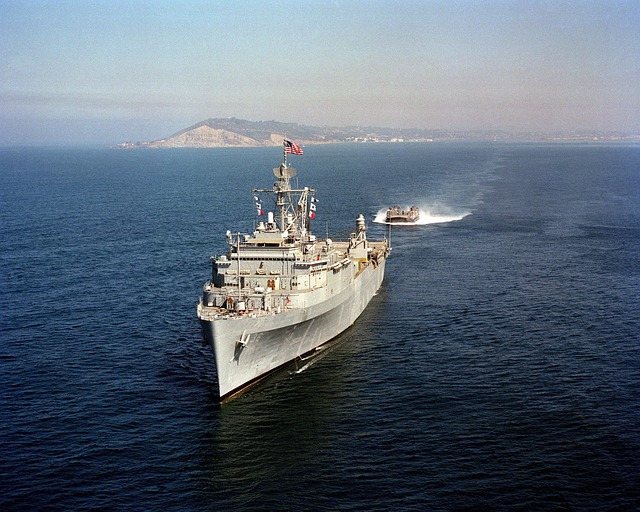



Garden Reach Shipbuilders & Engineers (GRSE) has turned a long-pending L1 position into a signed order. The GRSE NGC contract, for building five Next Generation Corvettes for the Indian Navy, was signed in New Delhi on Monday, November 2, 2026, at a total value of ₹32,000 crore, according to the company’s Regulation 30 disclosure on NSE.
In this article
What the GRSE NGC contract covers
The order is a domestic construction-and-delivery contract with the Indian Navy. The filing says the project has to be completed within 9 years and 4 months, counted from the date GRSE receives the first stage payment, not from the signing date. It also states that no promoter or group company has an interest in the awarding entity and that the contract is not a related party transaction.
GRSE first told the exchanges it had emerged as the lowest bidder for the project in a letter dated May 22, 2025, which its press release filing refers back to. So this isn’t a surprise win. It’s the conversion of a known bid into a firm, signed order.
Eight ships, two shipyards
GRSE isn’t building the whole class. The Ministry of Defence release on PIB says contracts worth ₹53,866.50 crore were signed with GRSE and Goa Shipyard Limited for eight corvettes in all, with GRSE taking five and GSL the other three. Simple subtraction puts the GSL portion at about ₹21,866.50 crore, though the ministry didn’t break that figure out separately.
The ministry calls it the first project where the ships are designed in-house by the Indian Navy and built by defence PSUs picked through a competitive process. It also expects the programme to create roughly 72 lakh person-days of work in the shipyards and 460 lakh person-days in ancillary industries and MSMEs over the next ten years.
The ships themselves
Per GRSE’s press release, each corvette will be 127 metres long with a 17.6-metre beam and a specified deadweight tonnage of 4,950 tonnes. Top speed is 26 knots, endurance is 14 days at sea without replenishment, and the crew complement is 11 officers and 139 sailors. Propulsion is a combined diesel and gas turbine cross-connect (CODAG-CC) setup driving two controllable pitch propellers.
The proposed weapons include medium-range anti-ship missiles, MRSAM surface-to-air missiles, 324 mm torpedo tubes, a 76 mm Super Rapid Gun Mount and an AK-630 close-in weapon system. The ships will also be able to operate a helicopter.
What it means for GRSE’s order book
Context matters here. GRSE says it is currently building nine warships, including a Project 17A frigate, four anti-submarine shallow water craft and four next generation offshore patrol vessels, and is executing orders for 36 other platforms, 13 of them for export. Five large corvettes on top of that is a big addition to work that will run for most of the next decade.
Two things are worth tracking from here. First, how the order shows up in the company’s reported order book and its book-to-bill ratio in the next quarterly update. Second, when the first stage payment arrives, because that is what starts the 9-year-4-month execution clock. Our piece on mobilisation advances explains why that upfront money matters for working capital. For reading the numbers when they come, see our guide on how to analyse quarterly results of a company.
A long execution window also means revenue will be spread across many years, so the headline ₹32,000 crore won’t hit any single year’s income statement. We’d keep that in mind before reading too much into one day’s price move.
Disclaimer: This article is for information only and is not investment advice. Figures are taken from GRSE’s stock exchange filings and the Ministry of Defence release linked above. Please do your own research or consult a SEBI-registered adviser before investing.

Leave a Reply
Join the conversation
Commenting is open to registered readers. Sign up with just your email — no password needed, and it takes under a minute.
Sign up to comment Log in