
The Rainbow Children’s Medicare Q2 results came out on Saturday, October 31, and the headline is a familiar one for hospital stocks this season: the top line is running well ahead of profit. Revenue for the July-September quarter rose 23.2% year-on-year to ₹548 crore, while profit after tax grew 10.9% to ₹83.9 crore, according to the company’s press release filed with NSE and BSE.
In this article
Rainbow Children’s Medicare Q2 results in numbers
All figures below are consolidated and compare with the September quarter of last year unless stated otherwise.
- Revenue: ₹548 crore, up 23.2% from ₹444.8 crore.
- EBITDA: ₹170 crore, up 14.2% from ₹148.9 crore.
- EBITDA margin: 31.0%, down 245 basis points from 33.5%.
- Profit after tax: ₹83.9 crore, up 10.9% from ₹75.6 crore. The PAT margin fell to 15.3% from 17.0%.
Sequentially the picture looks much better. Against the June quarter, revenue rose 16.6%, EBITDA jumped 26.2% and profit climbed 34.1%, with the EBITDA margin recovering from 28.6%. For the first half of FY27, revenue was ₹1,018 crore (up 27.6%) and PAT ₹146.4 crore (up 13.1%).
Patients kept coming, despite a weak monsoon
The company said inpatient and outpatient volumes held up even though a big monsoon shortfall softened the usual seasonal demand. Paediatric hospitals tend to see a spike in infections during the rains, so that’s a real headwind. Still, inpatient discharges rose 15% to 32,706, outpatient consultations grew 19% to over 5.07 lakh and deliveries were up 20% at 5,719.
Average revenue per occupied bed (ARPOB) rose 10% to ₹63,413, and the average length of stay dipped to 2.64 days from 2.73. Occupancy, though, slipped to 49.19% from 51.95% a year ago, because operational beds grew 18% to 1,910. Adding beds faster than you can fill them is exactly what drags margins in the short run.
New hospitals and the expansion pipeline
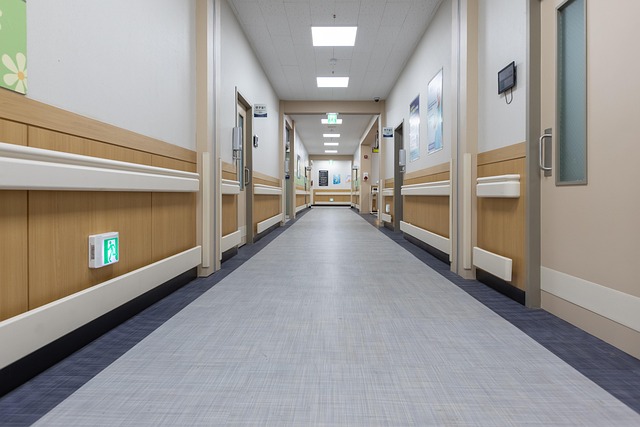
Rainbow started operations at a newly acquired 70-bed hospital in Nellore and a new 50-bed hospital in Guntur from September 1, which extends its coastal Andhra network. It also plans a specialised paediatric hospital in Amaravati with an initial 150 beds, after the state government allotted it two acres of land. A new Group CFO, Sudarshan Patodia, joined during the quarter.
The pipeline is long. As per CNBC-TV18, the Indore hospital is expected to open in Q3 FY27 and the Malad facility in Mumbai in Q1 FY28, followed by Coimbatore, two Gurugram hospitals, Pune and Seegehalli between FY28 and FY29. CEO Abarali Dalal said revenue has grown more than 20% year-on-year for three quarters in a row.
What it means for investors
The shares closed 2.27% higher at ₹1,224 on Friday, October 30, before the numbers were out, so Monday is the first chance for the market to react. We think the debate will be about margins, not demand. Volumes and pricing both grew, but every new hospital starts loss-making and pulls down group profitability until occupancy builds up. If you want to understand why EBITDA and reported profit can move so differently, our explainer on EBIT margin in results walks through it. For another healthcare result from this season, see our take on Mankind Pharma’s Q2 numbers.
Disclaimer: This article is for information only and is not investment advice. Please do your own research or consult a SEBI-registered adviser before making investment decisions.

Leave a Reply
Join the conversation
Commenting is open to registered readers. Sign up with just your email — no password needed, and it takes under a minute.
Sign up to comment Log in