

NTPC Green Energy Q2 results came out on Friday evening, and the headline numbers look strong for a company whose stock has had a rough year. The renewable arm of state-run NTPC reported consolidated net profit of ₹137.5 crore for the July-September quarter, up 56.2% from ₹88 crore a year earlier, according to The Economic Times and CNBC-TV18.
One small wrinkle on the base. A PTI report carried by ETEnergyworld puts the year-ago profit at ₹86.38 crore, which makes the growth 59%. Either way, the profit line grew by more than half.
NTPC Green Energy Q2 results: the key numbers
- Revenue from operations: ₹938.2 crore, up 53.2% from ₹612.3 crore in Q2 FY26.
- Total income (operations plus other income): ₹1,000.76 crore, up 52% from ₹656.72 crore, per PTI.
- Total expenses: ₹876.03 crore, up 59% from ₹551 crore.
- EBITDA (earnings before interest, tax, depreciation and amortisation): ₹830 crore, up 56.6% from ₹530 crore.
- EBITDA margin (EBITDA as a share of revenue): 88.4%, against 86.5% a year ago.
That margin is not a typo. Solar and wind parks have almost no fuel bill, so once a project is commissioned most of the tariff income drops to the EBITDA line. The heavy costs sit lower down, in depreciation and interest on the debt used to build the plants. That is likely part of why expenses grew a little faster than revenue this quarter, since more capacity coming online usually means more assets to depreciate and more borrowing to service.
If you subtract total expenses from total income, you get roughly ₹124.7 crore before tax, which is below the reported profit of ₹137.5 crore. That points to a net tax credit in the quarter rather than a tax charge, something we would want to see explained in the full filing before reading too much into the profit growth.
Capacity is the real story
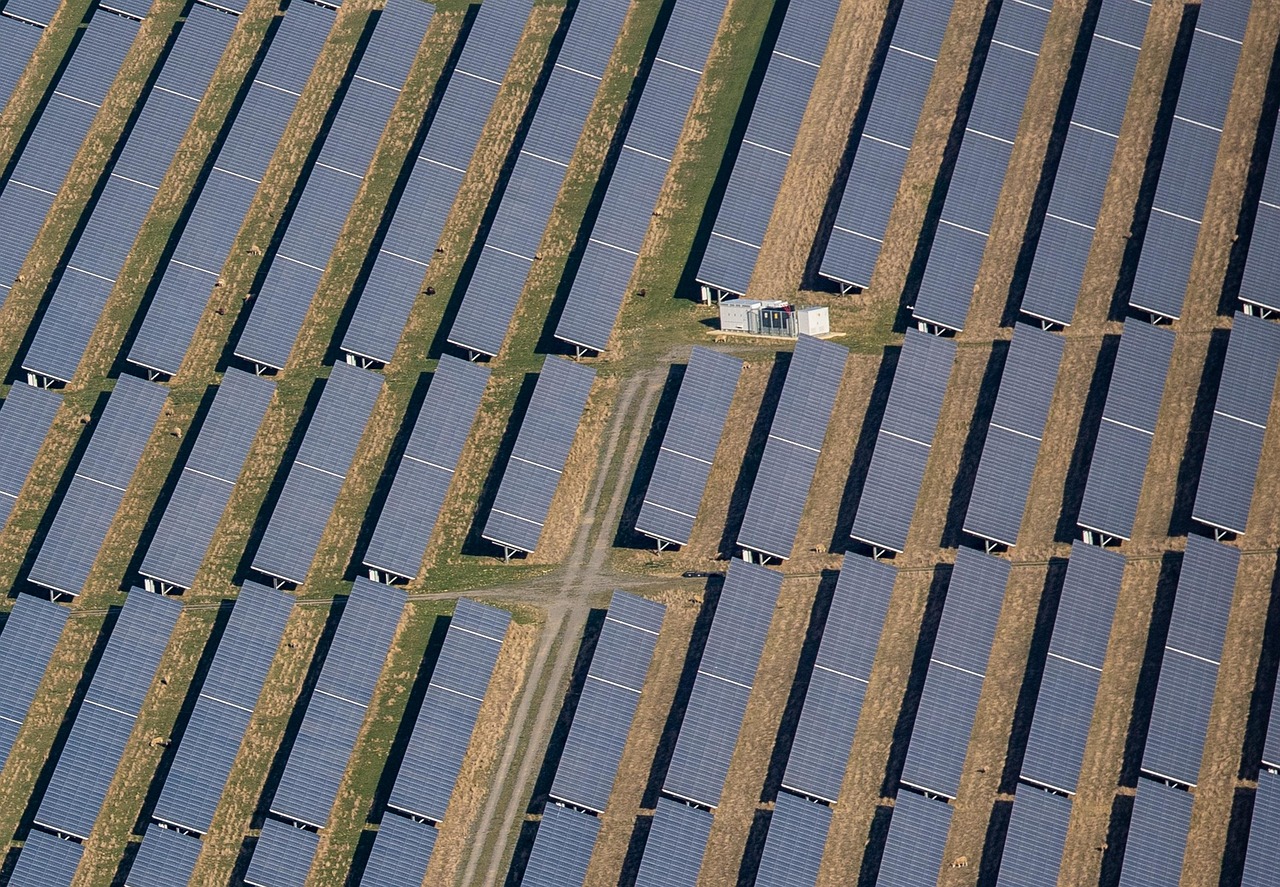
For a company like this, megawatts matter more than any single quarter. A day before the results, NTPC Green said a fifth part capacity of 95.6 MW at the Kalasar Solar Energy Project in Bikaner, Rajasthan, was declared commercially operational from October 30, ET reported. That block is part of the 650 MW solar component of a 500 MW round-the-clock project for REMCL being built by its wholly owned subsidiary NTPC Renewable Energy. With it, the group’s commercial capacity rose from 11,328.69 MW to 11,424.29 MW.
Consultancy income is shrinking as a share of the mix. CNBC-TV18 said revenue from operations included ₹3.16 crore of consultancy, project management and supervision fees, down from ₹7.15 crore a year ago and ₹10.17 crore in the June quarter. Small numbers, but the direction says the business is leaning more on power sales.
Where the stock stands
The shares closed at ₹82.44 on the NSE on Friday, down 1.78% from ₹83.93. CNBC-TV18 noted the stock is down 11.8% over the past month and 13.5% so far in 2026, and ET put its market capitalisation at ₹69,467 crore.
So the next session’s reaction will test whether investors care more about the 50%-plus growth or about how much it costs to fund the next few gigawatts. Earlier this week we looked at a private peer in our note on JSW Energy’s Q2 results, and our guide on how to analyse quarterly results covers why depreciation and interest matter so much for capital-heavy businesses.
Disclaimer: This article is for information and education only and is not investment advice. Please do your own research or consult a SEBI-registered adviser before making any investment decision.

Leave a Reply
Join the conversation
Commenting is open to registered readers. Sign up with just your email — no password needed, and it takes under a minute.
Sign up to comment Log in