
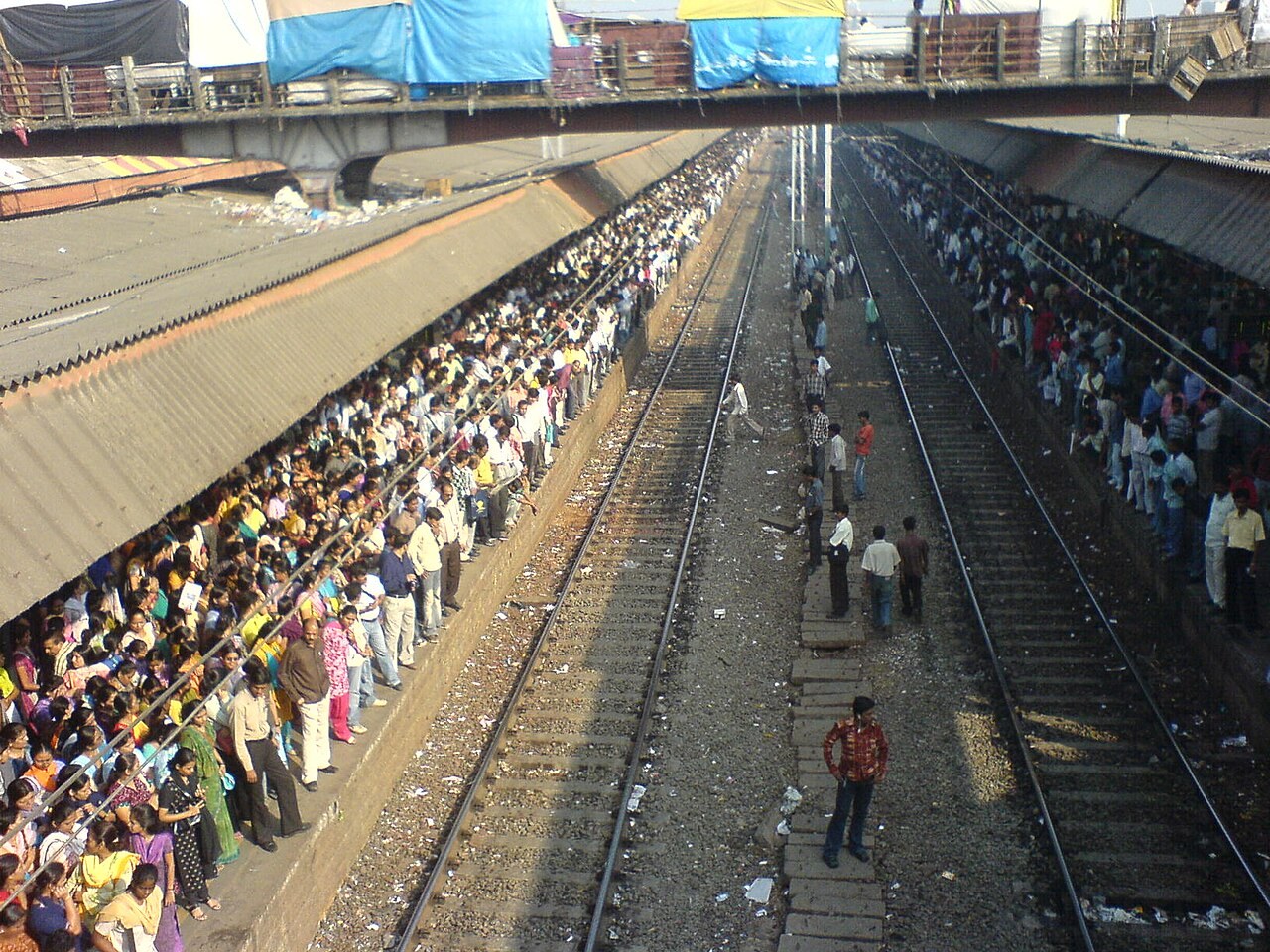



You open the app at 11:40 and a mid-cap you’d been watching is up 9%. It was on your list last week. You didn’t buy. Now the stock is running, the WhatsApp group is posting screenshots, and the only thought in your head is that it might hit 15% before lunch. So you buy at the high of the day. By 2:30 it’s up only 4%, and you’re sitting on a loss in a stock that made everyone else money. That, in one session, is FOMO in trading: the fear of missing out pushing you into a trade after the move has already happened.
If you’ve traded for a while, you’ve probably done this. The more useful question is why it keeps happening to people who know better, what the data says it costs, and what you can actually put in place so the next 9% spike doesn’t decide your position for you.
In this article
Where the term FOMO came from
The phrase isn’t a market invention. According to the Wikipedia entry on fear of missing out, Patrick J. McGinnis coined the acronym FOMO in a 2004 op-ed in The Harbus, the Harvard Business School magazine, while he was a student there. The longer phrase had already shown up earlier: marketing strategist Dan Herman used it in presentations in the late 1990s and in a 2000 paper on short-term brands.
Markets just gave the feeling a price tag. In social life, missing a party costs you an evening. In trading, the fear of missing a move gets turned straight into an order, and it usually goes in at a worse price than the one you passed on.
How FOMO in trading actually shows up
It rarely feels like fear while it’s happening. It feels like urgency, or like conviction that showed up late. A few patterns we see over and over:
- Buying the candle, not the setup. You had no plan for the stock at 9:15. By 11:30 it has a big green bar, and that bar becomes the whole reason to buy.
- Chasing after a news headline. Order win, results beat, a block deal. By the time it reaches your feed, the people who moved first have already priced it in.
- Doubling up on a theme. Defence ran, so you buy a third defence stock because the first two are “too expensive now”. Same bet, more risk.
- Buying out-of-the-money options on expiry day. The premium is tiny, the index is moving, and the payoff looks huge. This is FOMO in its cheapest-looking and most expensive form.
- Re-entering right after a stop-out. The stock hits your stop, bounces, and you jump back in because you can’t stand the idea of it running without you.
- Breaking your own position size. Normally you risk 1% of capital. This one “can’t be missed”, so it gets 4%.
None of these feel reckless at the time. That’s the problem. Each one comes with a story that sounds sensible.
Why our brains chase moves: attention comes before the decision
There’s solid research behind the idea that what we buy depends on what grabs our eye. In “All That Glitters”, published in the Review of Financial Studies in 2008, Brad Barber and Terrance Odean tested and confirmed that individual investors are net buyers of attention-grabbing stocks: stocks in the news, stocks with unusually high trading volume, and stocks with extreme one-day returns.
Their explanation is simple. There are thousands of stocks to choose from when you buy, and nobody can search all of them. So people only look at the ones that have already caught their attention. Selling is different, because you only sell what you already own. That lopsidedness means a big move or a loud headline pulls retail buying in far more than it pushes selling out.
A stock that is already up 9% on the day is not a new opportunity. It’s the same opportunity at a worse price, made to look urgent by a green number.
Put that next to how most of us consume markets today: top-gainer lists, push alerts, Telegram tips, Twitter threads on what “smart money” is buying. Every one of those is an attention filter, and every one of them shows you stocks after they’ve moved. FOMO isn’t just a personality flaw. The setup we trade inside is built to trigger it.
What the SEBI data says about chasing action
SEBI’s studies don’t measure FOMO directly. Nobody can see why a trader clicked buy. But they do show what happens to traders who crowd into the most fast-moving, high-activity parts of the market.
F&O: the bulk of individual traders lose
SEBI’s September 23, 2024 press release on its updated F&O study found that 93% of over 1 crore individual traders in equity futures and options made losses over FY22 to FY24, with average losses of around ₹2 lakh per trader including transaction costs. Aggregate losses of individual traders over those three years exceeded ₹1.8 lakh crore. The same release said the share of traders below 30 years of age rose from 31% of the F&O trader base in FY23 to 43% in FY24.
The line from that release that speaks most directly to FOMO is this one: despite consecutive years of losses, more than 75% of loss-making traders kept trading F&O. Losing and coming back for more is exactly what you’d expect from people who can’t stand the thought of the next big expiry-day move happening without them.
Things didn’t change much after SEBI’s curbs. Its July 7, 2025 press release said that at the aggregate level, nearly 91% of individual traders made a net loss in equity derivatives in FY25, a similar trend to FY24.
Intraday cash: more trades, more losers
The pattern holds even without leverage from options. SEBI’s July 24, 2024 press release on intraday trading in the equity cash segment found that 71% of individual intraday traders made a net loss in FY23. Among very frequent traders, those with more than 500 trades a year, the share of loss-makers went up to 80%. The number of individuals trading intraday rose over 300% in FY23 compared with FY19, and the share of intraday traders under 30 went from 18% to 48% over the same period.
One more figure from that release: loss-makers spent an additional 57% of their trading losses on trading costs in FY23. Put plainly, for every ₹100 a loss-making intraday trader lost on trades, they paid about another ₹57 in costs. Chasing every move isn’t just about bad entries. It’s paying brokerage and charges on far more of them.
IPOs: a wave of new accounts
FOMO also has a seasonal face in India: the IPO frenzy. SEBI’s September 2, 2024 study on investor behaviour in IPOs, which covered 144 mainboard IPOs listed between April 2021 and December 2023, found that nearly half of the demat accounts that applied for IPOs in that window were opened in the post-COVID period of 2021 to 2023. A lot of people came into the market at the same time that headlines were full of big listing-day pops. Some of that was genuine interest. Some of it, honestly, was the feeling that everyone else was getting rich off allotments.
A hypothetical FOMO trade, in numbers
Numbers make the cost clearer than any lecture. This is a made-up example, not a real stock.
Say a stock closed yesterday at ₹500. You had planned to buy near ₹505 with a stop at ₹490, so ₹15 of risk per share. With ₹3,000 of risk allowed per trade, that’s 200 shares.
You hesitate. By noon the stock is at ₹545, up 9%. Now you buy anyway. Where does the stop go? The obvious level is still around ₹490, but that’s ₹55 away. To keep the same ₹3,000 risk you could only buy about 54 shares. Most FOMO buyers don’t do that maths. They buy the same 200 shares and either put a tight stop at ₹530, which a normal afternoon pullback will hit, or no stop at all.
If the stock drifts back to ₹520 by the close, which does happen after sharp morning spikes, the 200-share chaser is down ₹5,000 on a stock that’s still up 4% for the day. The planned trade at ₹505 would have been up ₹3,000. Same stock, same day, and an ₹8,000 gap that comes purely from entry timing.
The cost of FOMO isn’t the move you missed. It’s the bigger stop, the bigger size, or the missing stop that you accept to get into a move late.
How to stop FOMO from running your trades
You won’t get rid of the feeling. What you can do is make it harder for the feeling to place an order. These habits help.
1. Write the plan before the market opens
Entry zone, stop, target and size, written down before 9:15. If a stock isn’t on that list, it doesn’t get traded that day. If it runs without you, it goes on tomorrow’s watchlist with a fresh plan. A written plan is boring, and that’s the point.
2. Set a “too late” rule
Decide in advance how far beyond your planned entry you’re willing to pay. For example, if price is more than 2% above your entry zone, you skip it. The exact number matters less than having one. Without it, every rally looks like a reason to buy.
3. Size from the stop, not from excitement
Work out your quantity from the distance between your entry and a logical stop. When a late entry means a wider stop, your size should shrink automatically. If the resulting quantity looks too small to bother with, that’s the market telling you the trade is gone. Our guide on risk management in trading walks through position sizing in more detail.
4. Add a cooling-off timer
When you feel the itch, wait 15 minutes before placing the order. Some spikes fade in that window, and if the setup is real it will still be there. A short delay costs you little on a good trade and saves you a lot on a bad one.
5. Mute the noise during market hours
Tip groups and top-gainer lists are attention filters, and as Barber and Odean showed, attention is what drives retail buying. Turn off the alerts you don’t need between 9:15 and 3:30. If something matters, it’ll still matter at 3:31.
6. Keep a missed-trade journal
Most traders only journal trades they took. Try logging the ones you passed on too: the stock, why you skipped it, and where it was a week later. Over a couple of months you’ll find that a lot of “missed” moves reversed, and that the few that kept running weren’t worth the risk you’d have taken to chase them. That record is the best cure for FOMO we know of.
7. Treat F&O expiry days with extra suspicion
Cheap far out-of-the-money options on expiry day are where FOMO and leverage meet. Given what SEBI’s numbers show about individual F&O traders, it’s worth asking a blunt question before each of those trades: would I take this if the premium were ten times higher? If the answer is no, the low price is doing the talking, not the setup.
FOMO’s close cousins
FOMO rarely shows up alone. It usually travels with a few other biases:
- Regret aversion. The pain of watching a stock you didn’t buy go up can push you into the next trade too fast. We cover this in our post on regret aversion.
- Overconfidence. After a couple of good chases, it’s easy to believe you can time these spikes. Our piece on overconfidence bias in trading explains why that belief tends to get expensive.
- The disposition effect. FOMO gets you in late; the disposition effect then often makes you hold the loser and sell the winner too early.
Quick recap
- FOMO in trading is buying, or adding, because a move is already happening, not because your plan said so.
- Research by Barber and Odean shows individual investors are net buyers of attention-grabbing stocks: those in the news, with unusual volume or extreme one-day moves.
- SEBI found 93% of individual F&O traders lost money over FY22 to FY24, and more than 75% of loss-makers kept trading. In intraday cash, 71% lost money in FY23, rising to 80% among traders with more than 500 trades a year.
- The real cost of a late entry is a wider stop, bigger size or no stop at all. Size from the stop and the problem mostly takes care of itself.
- A written plan, a “too late” rule, a short cooling-off timer and a missed-trade journal do more against FOMO than willpower does.
Disclaimer: This article is for education only and is not investment advice or a recommendation to buy or sell any security. The worked example uses hypothetical prices. Trading in equities and derivatives involves risk of loss. Do your own research or consult a SEBI-registered investment adviser before trading.

Leave a Reply
Join the conversation
Commenting is open to registered readers. Sign up with just your email — no password needed, and it takes under a minute.
Sign up to comment Log in