
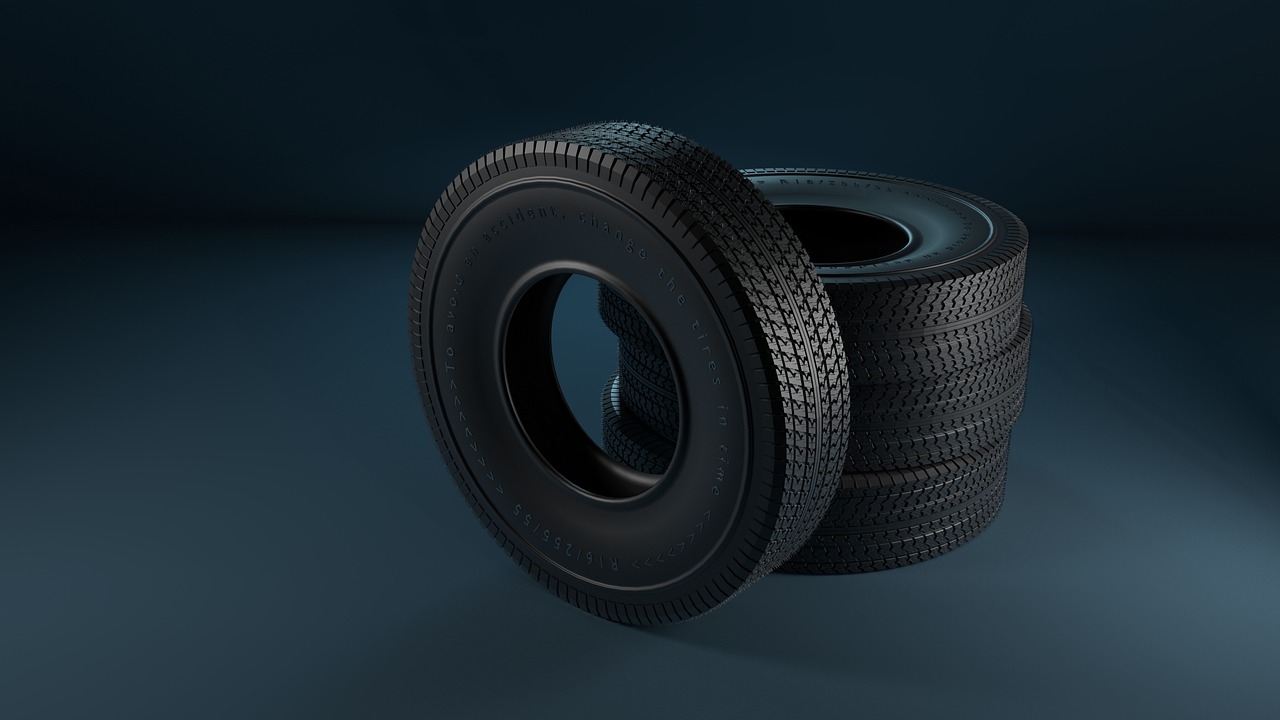



The Balkrishna Industries Pirelli deal, signed on Wednesday, October 22, 2026, is the clearest sign yet that BKT is serious about car tyres. The Mumbai-based off-highway tyre maker will make up to 800,000 (8 lakh) Pirelli-branded premium car tyres in India by 2030. A 50:50 joint venture with the Italian tyre maker could follow.
In this article
What the Balkrishna Industries Pirelli deal covers
According to BKT’s disclosure to NSE, the board met from 9:45 am to 10:30 am on Wednesday, and the company signed three separate agreements with Pirelli Tyre S.p.A.:
- A framework agreement that sets out the structure, timelines and key terms of the whole tie-up, including a future joint venture to make passenger car radial (PCR) tyres in India.
- An offtake agreement, under which BKT will make Pirelli-branded PCR tyres to Pirelli’s specifications at its PCR plant in Bhuj, Gujarat, and sell them to Pirelli or its affiliates.
- A service agreement, under which Pirelli will test BKT-branded SUV, car and two-wheeler tyres at its facilities outside India and give technical support.
The joint press release calls the offtake deal the first phase. The joint venture, which the companies call the second phase, would build a new plant for high-value car tyres under both the Pirelli and BKT brands, for India and export markets.
The joint venture terms
The JV is not signed yet. The framework agreement says it is to be incorporated by December 31, 2030, provided the conditions in the agreements are met or waived. The key terms already agreed:
- Shareholding split 50:50 between BKT and Pirelli.
- A four-member board, two directors from each side, with a rotating chairperson.
- The plant’s capacity shared equally between the two.
- A five-year lock-in on JV shares, followed by right of first refusal and tag-along rights, with limits on selling to competitors.
Until the JV agreement comes into force, neither company can form a joint venture with anyone else in India to make car, light truck, motorcycle or bicycle tyres. Plants either side owns fully are excluded from that restriction.
How the money works
No deal value has been disclosed. What the filing does tell us is how the offtake pricing works: raw material at actual cost plus a conversion cost, paid in rupees for domestic supply and in euros for exports. Pirelli has committed to a minimum annual offtake, and BKT to a matching capacity. Pirelli has also agreed not to sign a similar contract with any other Indian maker for Pirelli-branded car tyres. BKT, for its part, cannot make competing car tyres for third parties, though it stays free to sell its own BKT-branded car tyres.
The offtake agreement ends once the JV plant is running and can meet Pirelli’s demand. If that doesn’t happen, it runs until December 31, 2031, unless both sides extend it.
Why both sides want this
Pirelli had consolidated revenue of about €6.78 billion in 2025, as per the filing, but in India it has only a commercial presence and no factory. The press release cites estimates that Indian car registrations will grow 5-7% a year between 2025 and 2030, and that the premium car tyre market will grow almost fivefold. That is the market Pirelli wants a piece of.
For BKT the logic is just as plain. The company says it makes over 3,600 specialised products and sells in more than 160 countries, but that range is built around farm, construction, mining and industrial use. It has only recently announced plans for two-wheeler, car and commercial vehicle tyres in India. Having a global premium brand as an anchor customer gives the Bhuj plant assured volume and a tough quality benchmark.
What we’d watch
A cost-plus offtake contract gives steady utilisation but thin margins, so the real upside sits in the JV and in what BKT learns for its own brand. The JV has conditions attached and a 2030 deadline, so there is a long road between signing and earnings. For a broader look at how auto names have been moving, see our auto stocks to watch note, and our guide on how to analyse quarterly results will help when BKT’s next numbers come out.
Disclaimer: This article is for information only and is not investment advice. Please do your own research or consult a SEBI-registered adviser before making any investment decision.

Leave a Reply
Join the conversation
Commenting is open to registered readers. Sign up with just your email — no password needed, and it takes under a minute.
Sign up to comment Log in