
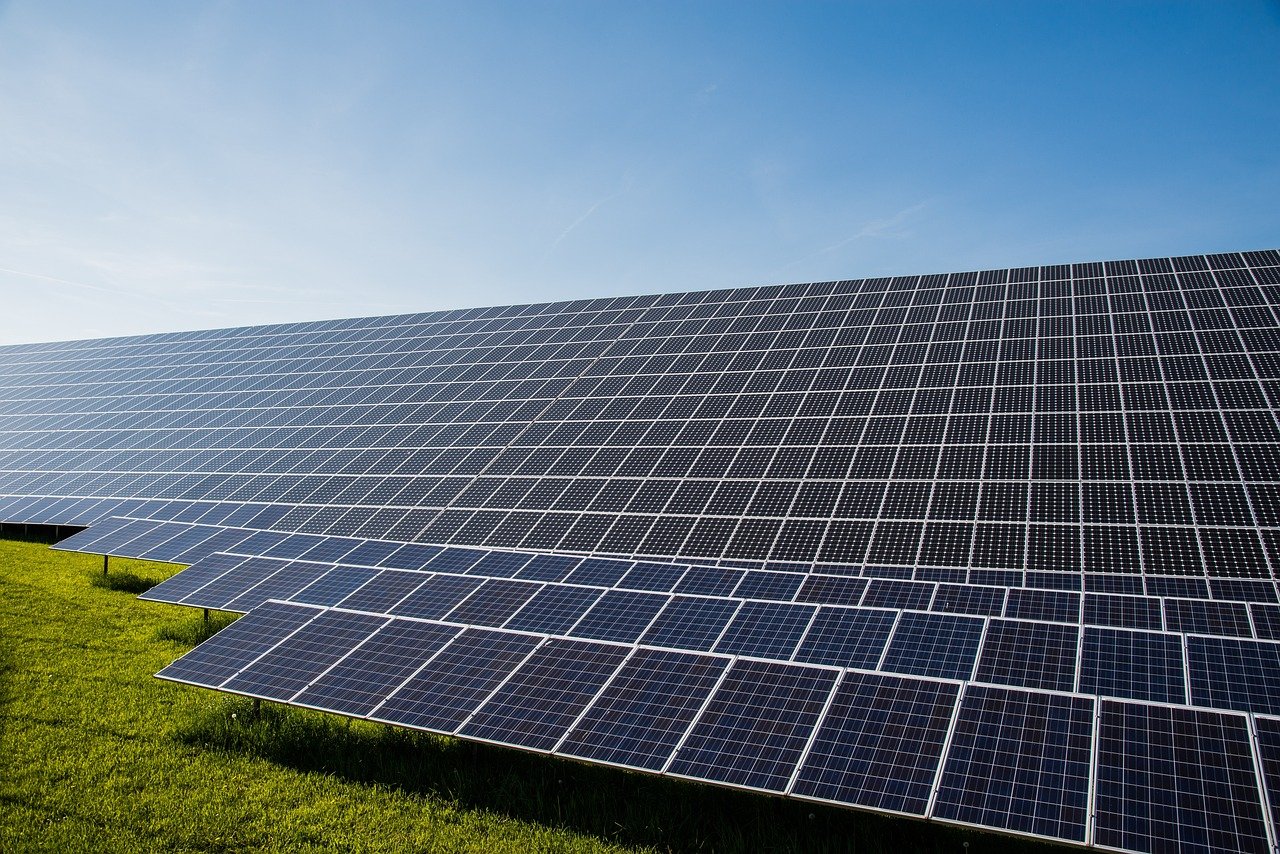


Adani Green Q2 results landed on Wednesday, October 21, 2026, and they come with two very different growth rates. Revenue jumped about 42% on the back of new solar and wind capacity, but consolidated net profit rose a much slower 16%, to ₹747 crore from ₹644 crore a year ago. The stock closed lower on the day.
In this article
Adani Green Q2 results: the headline numbers
As CNBC-TV18 reported, revenue for the September quarter rose 41.6% year on year to ₹4,258 crore from ₹3,008 crore. Reported EBITDA grew 46% to ₹3,797 crore from ₹2,603 crore, which works out to a margin of roughly 89%.
The PTI report, based on the exchange filing, puts total income, which includes other income, at ₹4,520 crore, up 39% from ₹3,249 crore.
The company’s own press release highlights a narrower measure. Revenue from power supply rose 45% to ₹4,019 crore from ₹2,776 crore. EBITDA from power supply rose 51% to ₹3,835 crore from ₹2,543 crore. That figure adds carbon credit income and leaves out some one-off costs, so it won’t match the reported EBITDA above. Adani Green puts the margin on this basis at 92.0%, against 90.5% a year earlier.
Why profit lagged revenue
The clue is in the company’s cash profit number. Cash profit is net profit plus depreciation, deferred tax and exceptional items, and it rose 45% to ₹1,951 crore from ₹1,348 crore. Net profit grew only 16%, so most of the gap sits in those add-backs, mainly the non-cash charges that pile up as new plants come on stream. For a company adding capacity this fast, profit after tax will keep trailing operating growth for a while.
Capacity, batteries and Khavda
Operational capacity reached 20,763 MW at the end of the first half, up 24% from a year ago after 4,083 MW of greenfield additions. Of that, 621 MW was added in the September quarter, according to the company’s investor presentation filed with NSE. Energy sales grew 33% to 12,090 million units in Q2.
The bigger talking point was storage. Adani Green added 3,081 MWh of battery capacity at Khavda in Gujarat during the quarter, taking its installed total to 6,632 MWh. The company says that is more than half of India’s operational battery storage and that it may beat its 10 GWh guidance for FY27. Operational capacity at Khavda is now 10.8 GW, up from 7.1 GW a year back. CEO Ashish Khanna also said the company is keeping a close eye on whether transmission lines are ready, and that is a real constraint for a site that size.
Spending is heavy too. First-half capex was about ₹17,160 crore, up 38%, and the company puts net debt at 5.6 times run-rate EBITDA.
How the stock reacted
Per CNBC-TV18, Adani Green shares settled 2.38% lower at ₹1,258.50 on Wednesday. The stock is down 3.7% over the past month but up 22.2% so far this year.
What it means for investors
The operating engine is clearly running. Capacity, units sold and power-supply EBITDA all grew at a fast clip. What we’d watch is the gap between that and net profit, along with how quickly the debt-funded capex converts into earnings. Another renewable name reported this week. See Waaree Renewable’s Q2 results, and to read these numbers yourself, try our guide on how to analyse quarterly results.
Disclaimer: This article is for information and education only and is not investment advice. Please do your own research or speak to a SEBI-registered adviser before making investment decisions.

Leave a Reply
Join the conversation
Commenting is open to registered readers. Sign up with just your email — no password needed, and it takes under a minute.
Sign up to comment Log in