
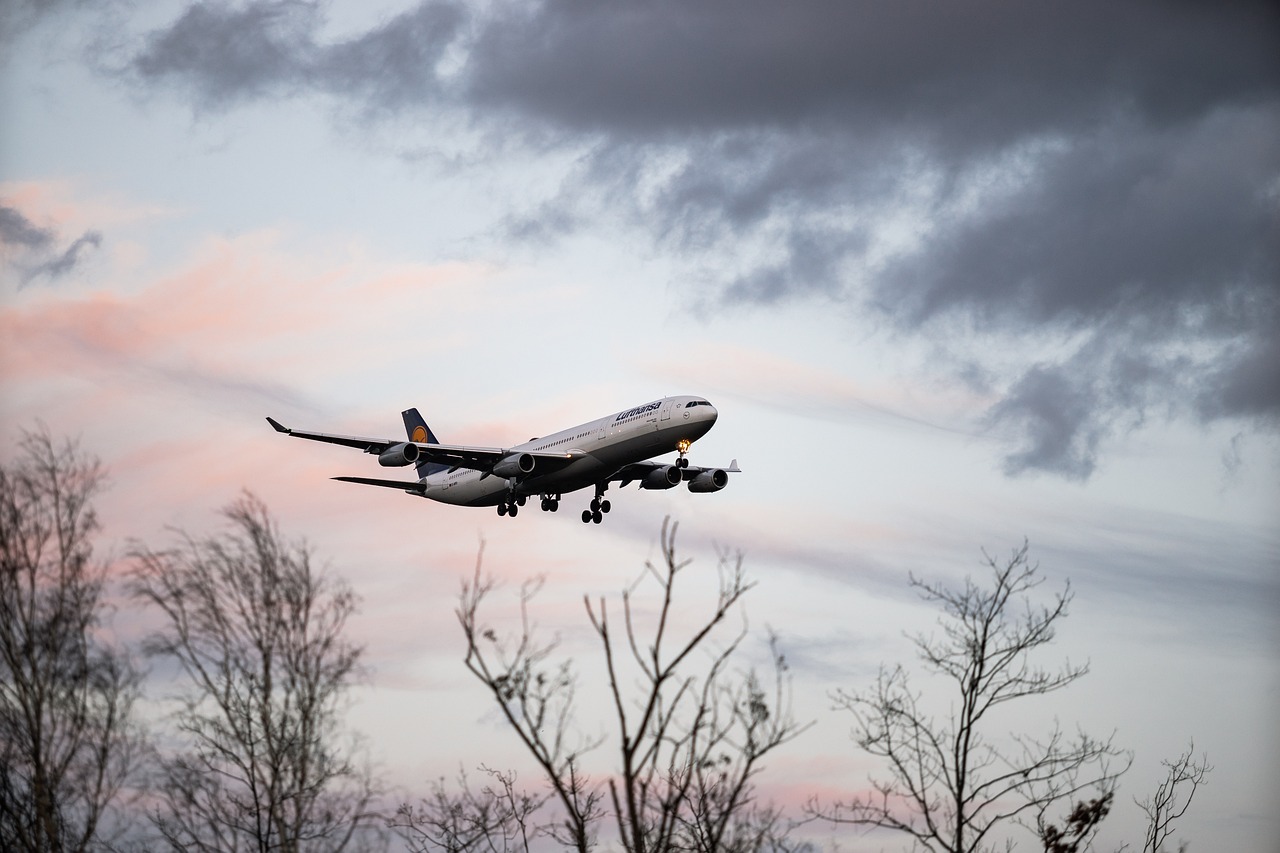



The IndiGo Q2 results came with a split personality. On paper, InterGlobe Aviation’s consolidated net loss for July-September narrowed to ₹1,878.6 crore from ₹2,581.7 crore a year ago, and revenue from operations rose 25.9% to ₹23,363.8 crore, according to ETInfra. Dig one layer down and the picture is far less comfortable.
In this article
IndiGo Q2 results: the headline numbers
The year-on-year improvement is real, but the sequential slide is sharp. ET Markets reported that the loss widened from ₹237 crore in the June quarter. Total income rose 24% to ₹24,311.9 crore, and the basic loss per share narrowed to ₹48.58 from ₹66.79 in Q2 FY26, per ETInfra.
Here is the catch. A big chunk of the reported loss came from currency moves, with ET Markets pointing to rupee depreciation alongside fuel. Strip out foreign exchange and IndiGo lost ₹724 crore, against a profit of ₹104 crore in the same quarter last year. So the core business actually went from black to red.
Fuel did the damage
- Fuel expenses jumped 67% to ₹9,967 crore from ₹5,962 crore.
- Fuel cost per available seat kilometre (CASK) rose 68.9% to ₹2.44.
- CASK excluding fuel and forex rose 14.6% to ₹3.45, and overall CASK went up 20.6% to ₹6.22 from ₹5.16.
- EBITDAR excluding forex fell 4.9% to ₹3,615 crore, with the margin shrinking to 15.5% from 20.5%. Reported EBITDAR was ₹2,460 crore versus ₹1,114 crore a year earlier.
All of those figures are from the ET Markets report. CEO Willie Walsh, who took charge in August, didn’t sugar-coat it on the post-results call. “I’ve been in this industry for 47 years. I’ve seen what I thought were high fuel costs. I’ve never seen anything like this,” he said, as quoted by Mint.
Higher fares, fewer flyers
IndiGo’s answer was to fly a little less and charge a lot more. Passenger yield, the revenue earned per passenger kilometre, rose 34% to ₹6.3 from ₹4.69. Ticket revenue grew 29% to ₹20,652 crore and ancillary revenue rose 15.9% to ₹2,481 crore. Revenue per available seat kilometre climbed 26.4% to ₹5.76.
The cost of that pricing showed up in traffic. Passengers fell about 5% to 2.75 crore from 2.88 crore, capacity measured in available seat kilometres slipped 1% to 40.8 billion, and the load factor eased to 80.3% from 82.5%, ET Markets reported. The fleet still grew, with a net 10 aircraft added to reach 442 planes as of September 30.
“The seasonally soft September quarter saw exceptionally elevated fuel costs and continued geopolitical turmoil. We responded with prudent capacity reduction and yield management, supporting strong revenue performance but only partially offsetting the higher costs,” Walsh said in the results statement carried by ETInfra.
What the airline is guiding for
According to Mint, Walsh called higher airfares unavoidable. IndiGo expects only low single-digit year-on-year capacity growth in the December quarter, with cuts falling more on international routes while domestic festive demand stays strong. Based on October trends, it expects passenger revenue per available seat kilometre (PRASK) to grow more than 25% year-on-year in Q3.
That’s the number we’d track. If festive pricing holds up and fuel cools even a little, the December quarter could look very different. If crude stays where it is, fare hikes alone may not close the gap, and flyers will feel it in their wallets. For how Thursday’s broader session played out, see our October 29 market close report and the FII DII data for October 29.
Disclaimer: This article is for information and education only and is not investment advice. Please do your own research or consult a SEBI-registered adviser before making any investment decision.

Leave a Reply
Join the conversation
Commenting is open to registered readers. Sign up with just your email — no password needed, and it takes under a minute.
Sign up to comment Log in