
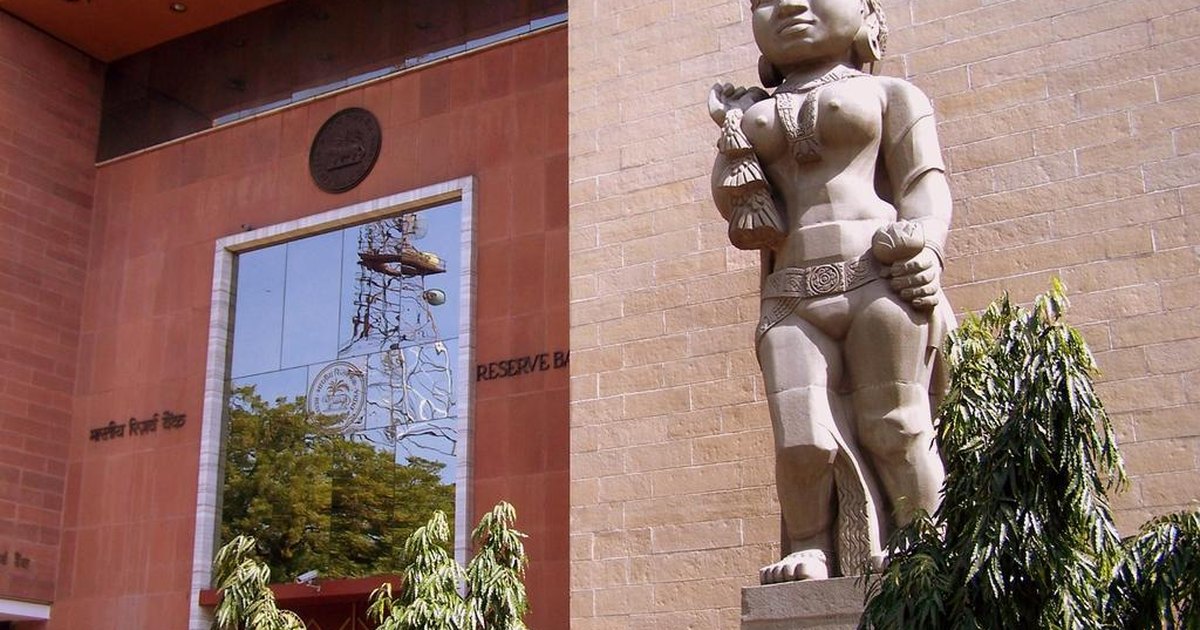



The RBI rupee measures, including a dollar window for oil companies, handed the currency its best session in quite a while. On Monday, October 12, 2026, the rupee opened at 95.76 to the dollar, 97 paise stronger than Friday’s close of 96.73, ET Markets reported. No Asian currency did better that morning.
What set it off was a four-part package the Reserve Bank of India put out over the weekend. Let’s take the steps one at a time.
In this article
RBI rupee measures: the oil companies dollar window
Starting October 12, the RBI will cover the entire daily dollar requirement of IOCL, BPCL and HPCL through designated banks. Those purchases no longer hit the interbank spot market.
Why does that matter so much? Because the oil bill is enormous. Nomura estimates India’s oil imports averaged $16.4 billion a month from April to August, and the three state-run refiners make up about 55% of it. Pull that demand off the screen and you remove one of the heaviest daily weights on the rupee.
Tighter rules on currency derivatives
- No rebooking: once a rupee-linked FX derivative contract is cancelled, it can’t be rebooked. That shuts a door that speculation used while posing as hedging.
- Lower threshold: companies can take OTC FX derivatives without showing an underlying exposure only up to $5 million now, against $100 million before.
- No double hedging: firms have to certify they haven’t hedged the same exposure with another bank, or disclose the amounts if they have.
The 20% Foreign Exchange Risk Reserve
Banks now have to keep a cash reserve with the RBI equal to 20% of the rupee value of every rupee-linked FX derivative contract above $2 million. That reserve sits there every day until the contract expires.
ET walks through an example. On a $10 million hedge, roughly ₹100 crore at an assumed rate of 100, a bank would lock away ₹20 crore. Betting against the rupee simply gets costlier. Kotak Mahindra Bank reckons hedging costs could climb by 1% to 1.6%, while IDFC FIRST Bank puts the increase near 1.5%.
Stricter daily CRR
The fourth step makes banks hold 99% of their required CRR every day from October 16, against 90% earlier. The headline CRR is still 3%. We break it down in our post on the RBI’s 99% daily CRR maintenance rule (source: RBI notification).
Why the RBI needed a new defence
Even after all this, the rupee is down 6.6% in 2026. The RBI’s FCNR(B) and swap scheme brought in about $143 billion, and yet the pressure came back once that window shut.
Systematix Research points out that foreign currency assets hit a peak of $648 billion on September 4 and have since slid to $604.7 billion. Nomura says reserves are down about $43 billion since the window closed. In other words, the RBI has shifted from burning reserves to restrictions and higher hedging costs. Systematix likens it to the playbook from 1997-98, 2011-12 and the 2013 taper tantrum.
“The package raises the near-term cost of rupee depreciation trades.” — Citi, as reported by ET Markets
What it means for markets
Near term, expect a firmer rupee and lower forward premiums. Kotak didn’t even rule out USD/INR slipping below 95.
The deeper problems haven’t gone anywhere, though: expensive crude, FII outflows and strong US yields. Societe Generale said oil, portfolio flows and the dollar will still decide where the rupee goes.
On the equity side, Systematix flags a “double risk”: higher risk-free rates plus a weak currency, which could compress valuations and pinch bank margins. You can follow the day-to-day impact in our rupee vs dollar today report and on the Stock Market Today India hub.
Source: ET Markets (Oct 12, 2026), citing Nomura, Systematix, Kotak Mahindra Bank, IDFC FIRST Bank, Citi and Societe Generale.

Leave a Reply
Join the conversation
Commenting is open to registered readers. Sign up with just your email — no password needed, and it takes under a minute.
Sign up to comment Log in