


PI Industries Q2 results landed badly with the market on Thursday. The agrochemical maker’s consolidated profit fell about 70% from a year ago to ₹122.2 crore for the September 2026 quarter, and the stock slid 15% to a six-year low of ₹1,859.25 on the BSE even as the Sensex rallied around 2%.
The board approved the numbers on November 4, 2026, and the company filed them with the exchanges the same day. Here’s what the filing and the earnings presentation actually show.
In this article
PI Industries Q2 results: the key numbers
All figures below are consolidated and converted from the ₹ million figures in the company’s results filing on BSE.
- Revenue from operations: ₹1,701.8 crore, against ₹1,872.3 crore a year ago, a fall of roughly 9%. It was flat on a sequential basis (₹1,702.3 crore in Q1).
- Net profit: ₹122.2 crore, down from ₹409.3 crore in Q2 FY26 and about half of Q1’s ₹244.2 crore.
- EBITDA: ₹236.2 crore versus ₹543.4 crore, a drop of about 57%, according to the company’s presentation. The margin roughly halved, from 29% to 14%.
- Gross margin: 49%, down from 57%.
- EPS: ₹8.05 for the quarter, compared with ₹26.98 a year earlier.
For the first half, revenue came to ₹3,404.1 crore (down about 10%) and profit to ₹366.4 crore, against ₹809.3 crore in H1 FY26.
Why the quarter went wrong
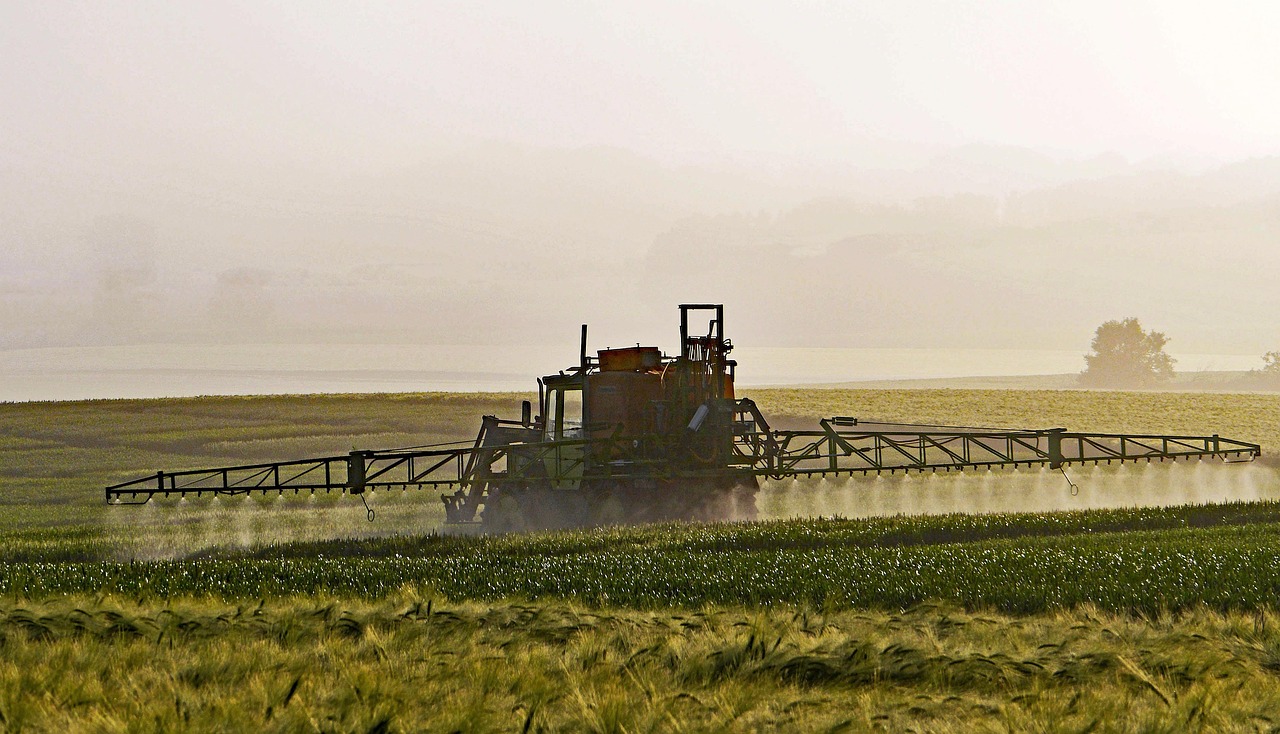
Exports did most of the damage. The presentation says agchem exports fell about 18%, blamed on lower demand, genericisation and pricing pressure. The company also told the exchanges that margins were hurt by higher input costs and pressure on prices, while overheads rose because of spending on new businesses, R&D, new molecule launches and energy.
Costs tell the same story in plain numbers. Total expenses went up to ₹1,582.4 crore from ₹1,431.6 crore even though sales fell. Employee costs, depreciation and other expenses all moved higher. When revenue shrinks and the cost base keeps growing, operating leverage works in reverse, and that’s exactly what we see here. If you want a quick refresher on reading these line items, our guide on how to analyse quarterly results walks through it.
The parts that held up
It wasn’t all bad. Domestic revenue grew 19% in the quarter, per the presentation. Biologicals grew 45% in India, and health sciences (the pharma services arm) grew revenue by 20%. The company also said trade working capital came down by 18 days.
Analysts at ICICI Securities, quoted by Business Standard, pointed to commercial GMP manufacturing of the API Galidesivir and new large-pharma customers as signs of traction in the CDMO pipeline. They also noted a cash balance of ₹3,573 crore and H1 capex of ₹567 crore. But they called the quarter disappointing and flagged weak export demand and costlier raw materials as near-term problems.
How the stock reacted
The fall took the share below its previous low of ₹2,006 hit on October 27, 2026, and to its weakest level since September 2020, Business Standard reported. At 9:59 am the stock was about 14% lower at ₹1,879.80. It has now more than halved from its 52-week high of ₹3,829 touched on November 10, 2025. Volumes nearly doubled, with about 2.18 million shares traded across NSE and BSE.
What it means for investors
The question now is whether the export slump is cyclical or structural. Pricing pressure from genericisation, which the company itself named, tends to be harder to reverse than a soft demand patch. The domestic and biologicals numbers are encouraging, but they’re still small next to exports. Watch the next couple of quarters for whether gross margin recovers from 49% and whether overheads stop outgrowing revenue. We looked at a different kind of margin hit in our piece on the Biocon Q2 results earlier today, where the company argued shipments had simply slipped into the next quarter.
Disclaimer: This article is for information and education only and is not investment advice. Please do your own research or consult a SEBI-registered adviser before making any investment decision.

Leave a Reply
Join the conversation
Commenting is open to registered readers. Sign up with just your email — no password needed, and it takes under a minute.
Sign up to comment Log in