


The Sun Pharma Unloxcyt NCCN story is a small one on paper, but it sits in the specialty medicines business that Sun says is a growing focus. On October 20, 2026, Sun Pharma told NSE and BSE that Unloxcyt (cosibelimab-ipdl), its immunotherapy for advanced skin cancer, has been made a Category 2A preferred option in the updated NCCN Guidelines for patients with locally advanced cutaneous squamous cell carcinoma (laCSCC) who can’t be treated with curative surgery or curative radiation.
The exchange filing, which carries the full press release, went up on NSE on Tuesday evening. There’s no money number in it. No order, no sales guidance. What it does carry is a label that matters a lot in American oncology.
What the Sun Pharma Unloxcyt NCCN upgrade covers
CSCC is a common skin cancer that usually gets cut out early. The trouble starts when it spreads or grows into nearby tissue. Unloxcyt already had a Category 2A listing for metastatic CSCC, which it got in 2025. This update adds the locally advanced form, so both labelled uses now sit in the guidelines.
A few basics from the release:
- The US FDA approved Unloxcyt in 2024 for adults with metastatic or locally advanced CSCC who aren’t candidates for curative surgery or radiation. OncLive’s report dates that approval to December 2024.
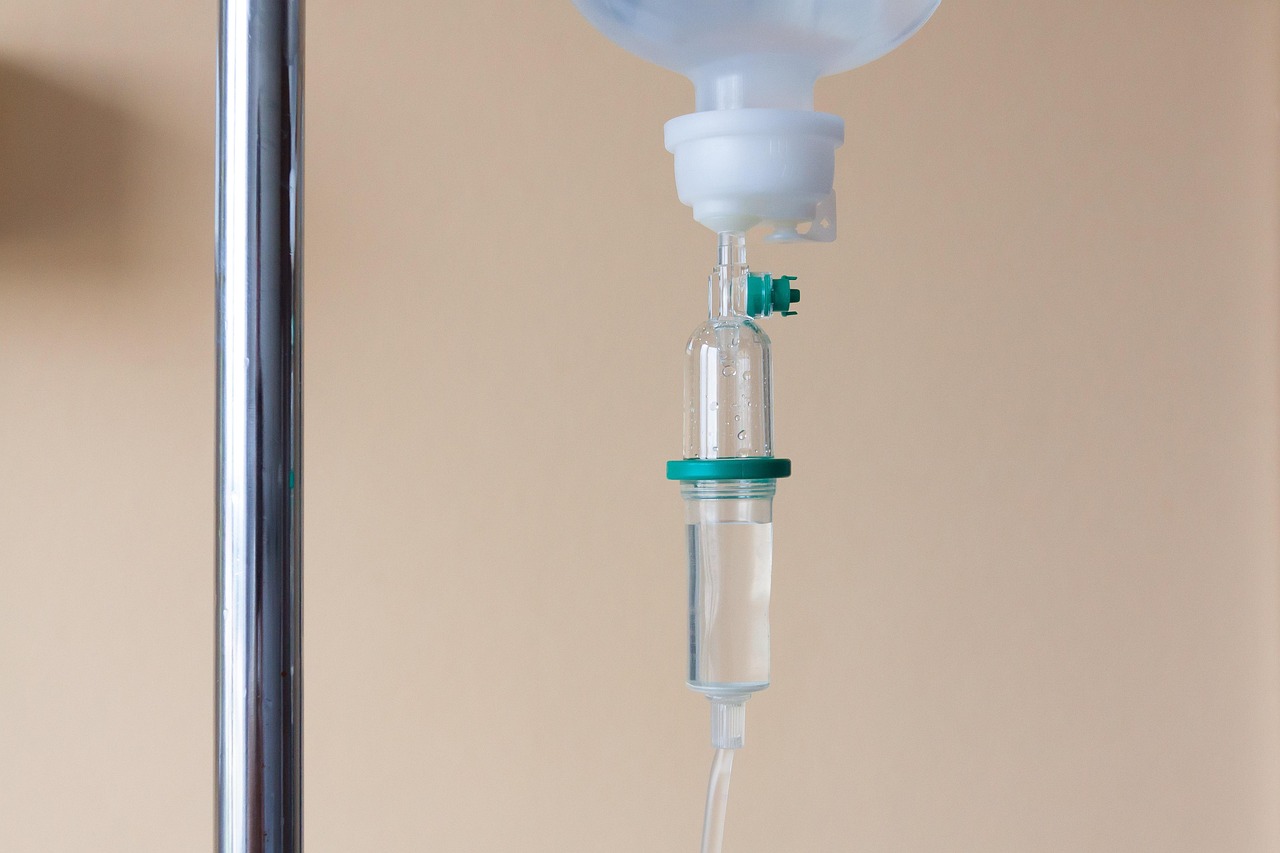
- The approved dose is 1,200 mg given as an intravenous infusion over 60 minutes, once every 3 weeks.
- Sun Pharma describes it as the first and only FDA-approved PD-L1-blocking antibody for advanced CSCC.
The trial data behind the change
The evidence sent to NCCN came from the drug’s pivotal study, an open-label, multicohort phase 1 trial known as CK-301-101. In the locally advanced group, 55% of patients had an objective response, meaning their tumours shrank by a defined amount, and 26% had a complete response. OncLive gives the exact figures as 54.8% and 25.8% among 31 evaluable patients, at a median follow-up of 24.1 months.
The responses held up. Median duration of response hadn’t been reached, with a range of 8.3 to more than 31.3 months, and OncLive puts the estimated share of responses still going at 24 months at 80.2%. On safety, the company says fewer than 1% of patients had a grade 3 to 5 immune-mediated adverse reaction, and none had grade 4 or 5. That second point is the one Sun keeps stressing, because many of these patients are elderly and already unwell.
For comparison, OncLive notes that the metastatic cohort of 78 patients had a 50.0% response rate and a 12.8% complete response rate at a median follow-up of 29.3 months.
Why a guideline listing matters for the stock story
NCCN is an alliance of 34 cancer centres in the US, and its guidelines shape what doctors prescribe. Sun’s release makes the commercial angle explicit: the guidelines feed into payer coverage policies, prior-authorisation rules, hospital formularies and clinical pathways. In plain terms, a preferred listing makes it easier for a hospital to use the drug and get paid for it.
The release also sizes the problem: an estimated 40,000 US patients a year progress to advanced CSCC, with nearly 15,000 deaths. Sun didn’t share any sales figures for Unloxcyt or put a number on what the upgrade could add.
So we’d read this as a step that helps adoption, not something that changes the numbers overnight. What investors will want next is any comment on Unloxcyt sales when the company reports its quarterly results. For how pharma fits into wider sector moves, see our Nifty sector scorecard for October 2026 and our guide to sector rotation strategy.
Disclaimer: This article is for information only and is not investment advice. Figures are taken from Sun Pharma’s exchange filing and the OncLive report linked above. Please do your own research or consult a SEBI-registered adviser before investing.

Leave a Reply
Join the conversation
Commenting is open to registered readers. Sign up with just your email — no password needed, and it takes under a minute.
Sign up to comment Log in